 English



 Women
Women
 Bottom Wear
 Western Wear
 Maternity Wear
 Women's Inners
 Men's
Men's
 Men Traditional Wear
 Men Western Wear
 Men Inners

Online Dresses
Why Most Online Dresses Fail Your Body
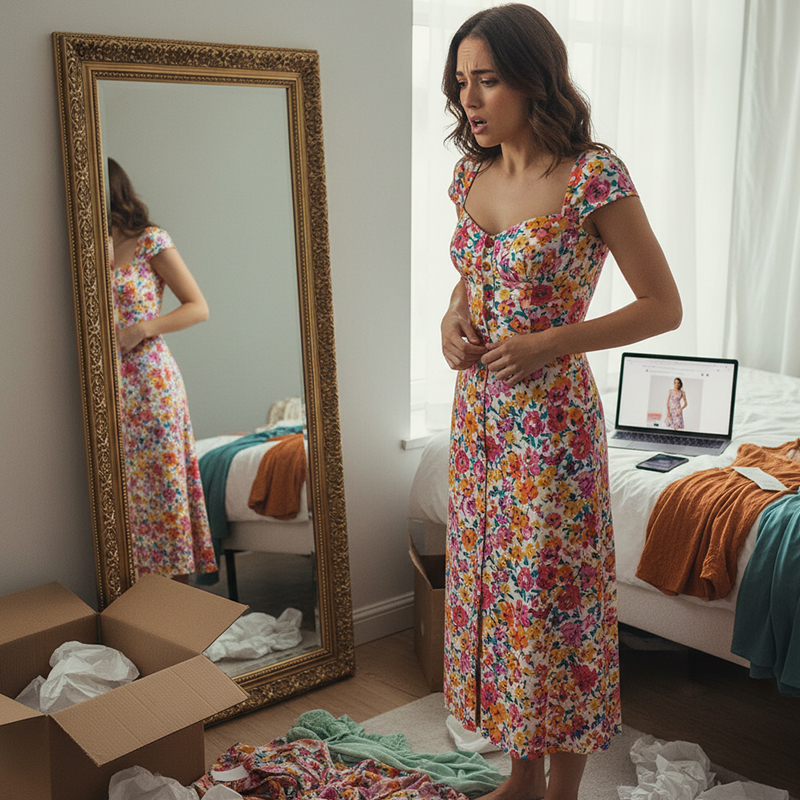
Most people assume sizing is the problem when online dresses don’t fit. That’s only part of it. The real issue is that the entire online dress system—design, sizing, and presentation—is built for scale, not accuracy. That’s why a huge percentage of dresses disappoint the moment you try them on.
Start with the biggest flaw: standardized sizing. Brands claim consistency, but there is no universal sizing system. A “medium” in one brand can easily match a “small” or “large” in another. For both men’s and women’s dresses, sizing charts are based on averaged body measurements that don’t reflect real body diversity. Human bodies aren’t symmetrical templates—they vary in proportions like shoulder width, torso length, hip structure, and leg ratio. Standard sizes ignore all of that.
Then there’s pattern design. Most online dresses are cut using base patterns that are scaled up or down. That sounds efficient, but it breaks fit. When a design is resized, proportions don’t adjust intelligently. A larger size might have the right chest measurement but oversized sleeves or incorrect length. A smaller size might fit the waist but restrict movement in the shoulders. This affects everything from fitted dresses to relaxed silhouettes.
Next problem: model illusion. What you see online is heavily controlled. Dresses are clipped, pinned, and styled to look perfect on models whose body types are already aligned with the design. For men, a shirt or suit might look structured because it’s tailored specifically for the shoot. For women, a dress might appear perfectly contoured because it’s adjusted at the back. You’re not seeing the real fit—you’re seeing a manipulated version of it.
Fabric plays a bigger role than people admit. Many online dresses use blended or low-cost fabrics that behave unpredictably. A dress might look structured in photos but feel flimsy in reality. Stretch fabrics can either overcompensate or fail completely depending on body shape. Without physically testing the material, you’re guessing how it will sit on your body.
Another overlooked issue is lack of fit context. Product pages rarely tell you how a dress is supposed to fit. Is it slim, regular, oversized, or tapered? Even when they mention it, the descriptions are vague. A “relaxed fit” in one brand might still feel tight compared to another. Without clear fit definitions, you’re making blind decisions.
There’s also the return-driven business model. Many brands know their dresses won’t fit perfectly. Instead of fixing the system, they rely on easy returns. It shifts the burden onto you—order multiple sizes, try them, send most back. That’s not convenience; it’s inefficiency disguised as flexibility.
So what actually works?
Stop trusting size labels. Use exact measurements and compare them with your own. Focus on key areas—shoulders, chest, waist, and length—depending on the dress type. Pay attention to fabric composition, not just appearance. And assume that most dresses won’t fit perfectly out of the box—because they aren’t designed to.
The uncomfortable truth is this: online dress shopping is optimized for volume, not precision. Until brands prioritize real fit over mass production, most dresses will continue to miss the mark. Your job is to work around that system, not expect it to suddenly improve.
Trending Now
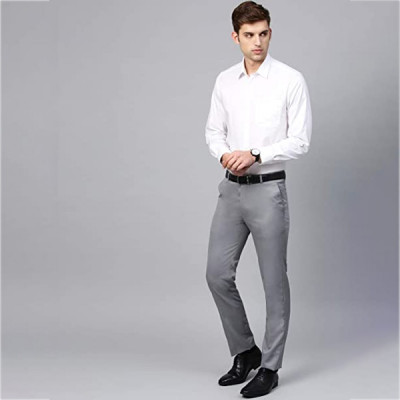
Men's Slim Fit Formal Trousers
Rs.707.00
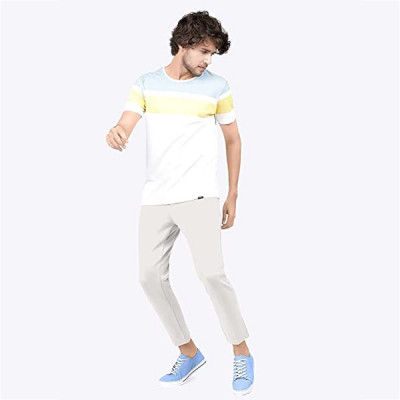
Men's Slim Fit Formal Trousers/Pant
Rs.543.00
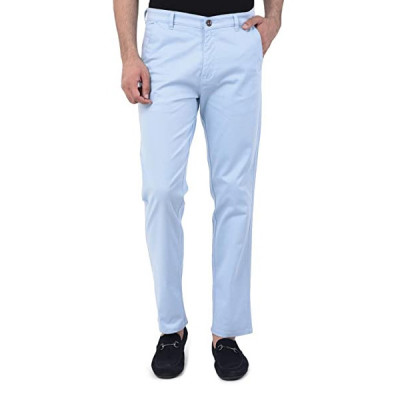
Men's Regular Fit Pants
Rs.544.00
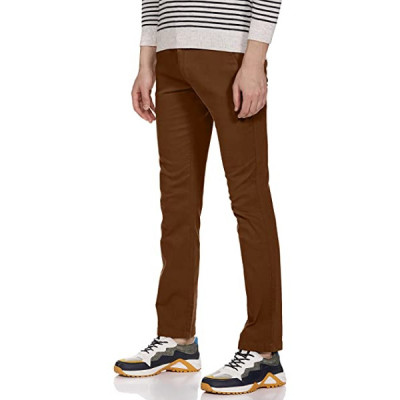
Men's Slim Casual Trouser
Rs.800.00
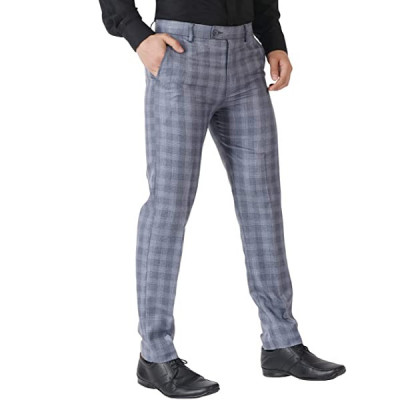
Men's Slim Fit Checkered Trouser
Rs.499.00
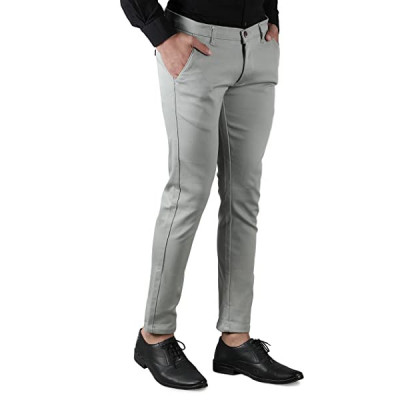
Textured Stretchable Trousers for Men
Rs.899.00
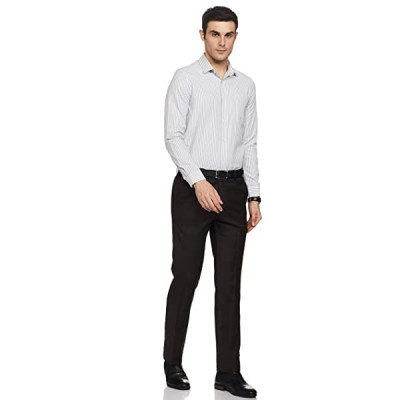
Men's Regular Pants
Rs.2,344.00