
 English



 Women
Women
 Bottom Wear
 Western Wear
 Maternity Wear
 Women's Inners
 Men's
Men's
 Men Traditional Wear
 Men Western Wear
 Men Inners

Wardrobe Essentials
The 10-Dress Rule: Build One Wardrobe That Handles Almost Everything
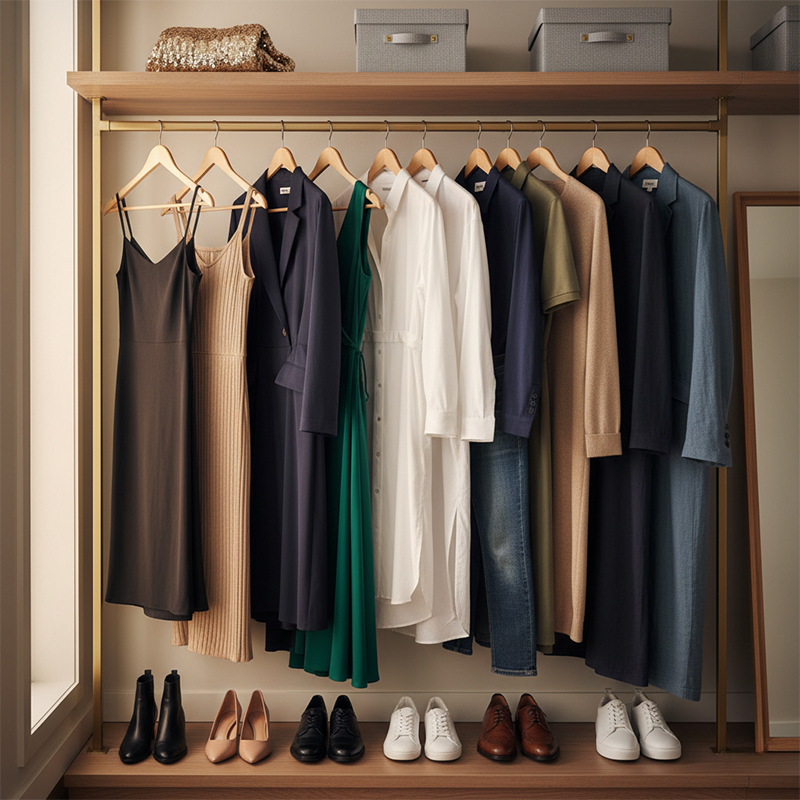
Most people overbuy clothes and still end up with “nothing to wear.” That’s not bad luck—it’s poor wardrobe structure. If your dresses don’t cover multiple use-cases, your closet becomes noisy. The fix is simple: a tight, intentional 10-dress system that handles almost every situation without excess.
Here’s how to build it.
Start with the foundation pieces—the dresses that carry the most weight. For women, this means a classic black dress, a neutral midi dress, and a structured work dress. For men (interpreting “dress” as outfit sets), this translates to a formal suit, a semi-formal blazer setup, and a smart-casual outfit. These aren’t optional. They handle interviews, meetings, formal events, and last-minute plans without thinking.
Next, add versatility-driven dresses. These are the ones that shift roles depending on styling. A solid-color wrap dress, a shirt dress, and a minimal evening dress for women can rotate across work, dinners, and casual outings. For men, this includes a crisp shirt-trouser combo, a polo-based smart outfit, and a relaxed evening look. The key rule: every piece must work in at least three different scenarios. If it doesn’t, it’s wasting space.
Then you need occasion-specific anchors—but keep this tight. One festive or statement dress for events like weddings or celebrations is enough. One seasonal piece (like a summer dress or winter layering outfit) covers climate needs. Most people overinvest here and underinvest in daily wear, which is backwards. Your wardrobe should reflect frequency, not fantasy.
Now focus on color discipline. If your dresses don’t coordinate, you’ll struggle to reuse them. Stick to a controlled palette—black, white, navy, beige, and one or two accent colors. This allows effortless mixing with accessories, jackets, or shoes without clashing. Random colors kill flexibility.
Fit matters more than quantity. Ten well-fitted dresses outperform thirty average ones. Tailoring is not optional if you’re serious. A poorly fitted dress—even an expensive one—fails in real use. Prioritize clean lines, proper length, and structure.
Fabric choice is another overlooked factor. Breathable fabrics for daily wear, structured materials for formal settings, and wrinkle-resistant options for travel will make your wardrobe functional instead of decorative. If a dress looks good but is uncomfortable or high-maintenance, you won’t wear it consistently.
Finally, audit brutally. If a dress doesn’t get worn in 60 days, it’s either redundant or useless. Remove it. The goal is not variety—it’s reliability.
A 10-dress wardrobe works because it forces clarity. Every piece earns its place. Every outfit has a purpose. You stop guessing, stop overbuying, and start dressing with intent. That’s what actually covers 90% of occasions—not more clothes, but better choices.
Trending Now
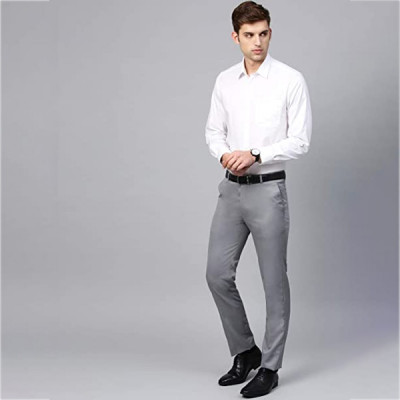
Men's Slim Fit Formal Trousers
Rs.707.00

Men's Slim Fit Formal Trousers/Pant
Rs.543.00
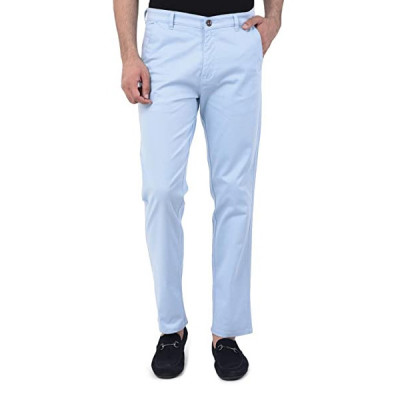
Men's Regular Fit Pants
Rs.544.00
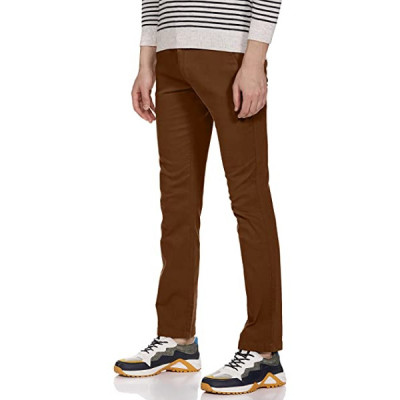
Men's Slim Casual Trouser
Rs.800.00
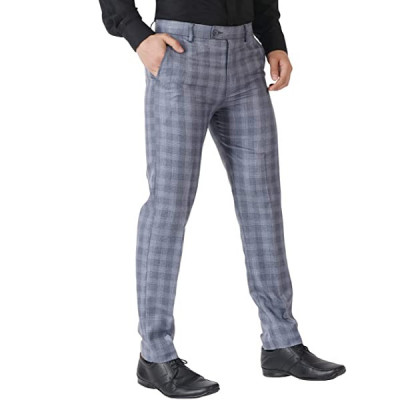
Men's Slim Fit Checkered Trouser
Rs.499.00
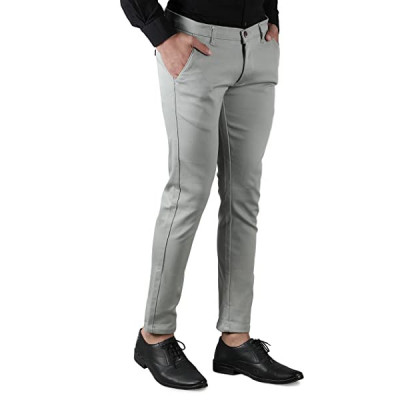
Textured Stretchable Trousers for Men
Rs.899.00
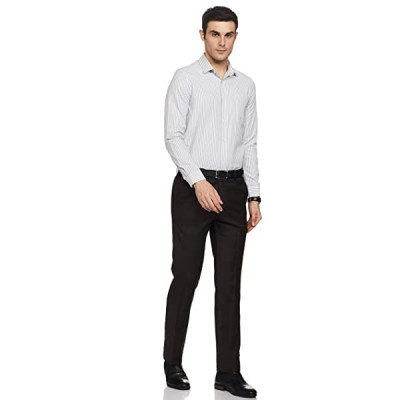
Men's Regular Pants
Rs.2,344.00