
 English



 Women
Women
 Bottom Wear
 Western Wear
 Maternity Wear
 Women's Inners
 Men's
Men's
 Men Traditional Wear
 Men Western Wear
 Men Inners

Linen and Cotton
Linen vs Cotton: The Heat-Tested Truth Your Wardrobe Won’t Tell You
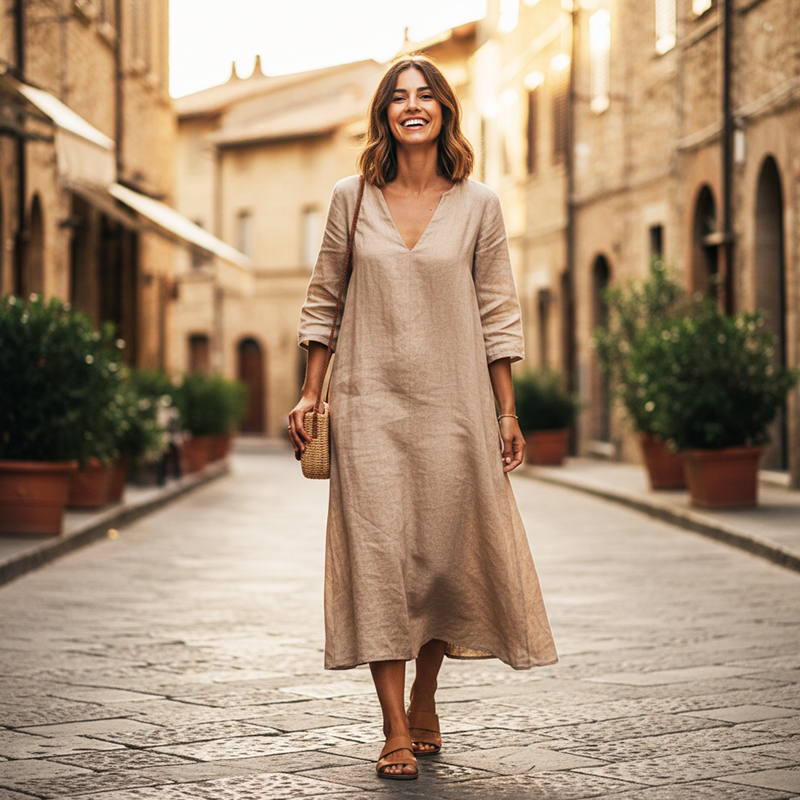
If you think all “breathable” dresses perform the same in heat, that’s just wrong. Linen and cotton get thrown into the same category, but they behave very differently when temperatures rise. If your goal is to stay cool—not just look summer-ready—you need to understand what actually works.
Start with linen. It’s objectively one of the best fabrics for extreme heat. Linen fibers are thicker and more loosely woven, which allows air to circulate freely. That means sweat evaporates faster instead of sticking to your body. For both men and women, linen dresses—whether it’s a flowy linen midi dress or a relaxed linen shirt outfit—feel lighter in high humidity. The fabric doesn’t cling, which is critical when you’re sweating. It creates space between your skin and the dress, and that’s what keeps you cooler.
But linen isn’t perfect. It wrinkles fast. Not slightly—aggressively. If you care about a crisp, polished look throughout the day, linen will frustrate you. A linen dress can look sharp in the morning and completely crumpled by afternoon. So yes, it performs in heat, but it sacrifices structure.
Now look at cotton . Cotton dresses are more common for a reason—they’re easier to manage. Cotton is softer, holds shape better, and doesn’t wrinkle as dramatically. A well-fitted cotton dress, like a structured cotton shirt dress for women or a cotton formal shirt-trouser combination for men, gives a cleaner appearance across the day. It absorbs sweat effectively, which sounds good—but there’s a catch.
Absorption is not the same as evaporation. Cotton holds moisture longer. So in dry heat, cotton works fine—it absorbs sweat and eventually dries. But in humid conditions, it traps moisture against your body. That’s when it starts to feel heavy, sticky, and uncomfortable. If you’ve ever felt your dress cling after sweating, that’s cotton failing under pressure.
So which one actually works in heat?
If you’re dealing with high humidity and intense sun, linen is the better choice. It keeps air moving and dries faster, even if it looks less polished. For casual wear, travel, or outdoor settings, linen dresses outperform cotton without question.
If you’re in moderate or dry heat, cotton becomes more practical. It maintains structure, looks cleaner, and still offers decent breathability. For office wear or settings where appearance matters more than airflow, cotton dresses make more sense.
The real mistake people make is choosing based on appearance alone. A sharp-looking cotton dress won’t matter if you’re sweating through it. And a wrinkled linen dress won’t help if you need to look formal. Match the fabric to the environment, not your assumption.
The smartest wardrobe doesn’t pick one—it uses both strategically. Linen for performance. Cotton for presentation. If you’re choosing blindly, you’ll feel the difference within an hour of stepping into the heat.
Trending Now
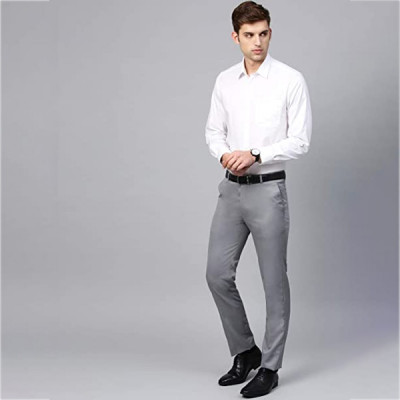
Men's Slim Fit Formal Trousers
Rs.707.00
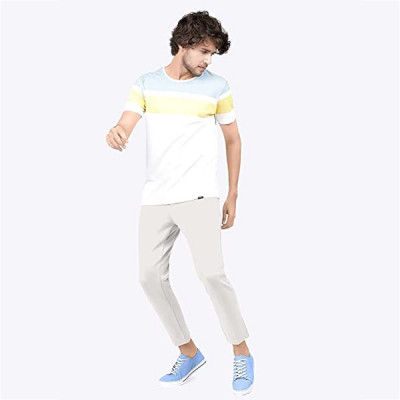
Men's Slim Fit Formal Trousers/Pant
Rs.543.00
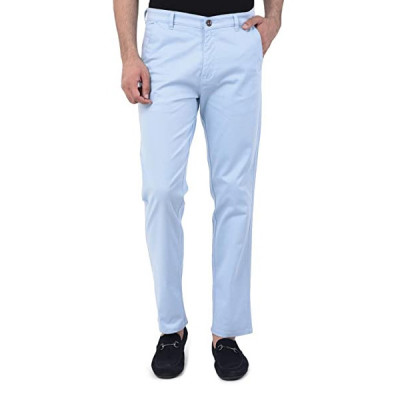
Men's Regular Fit Pants
Rs.544.00
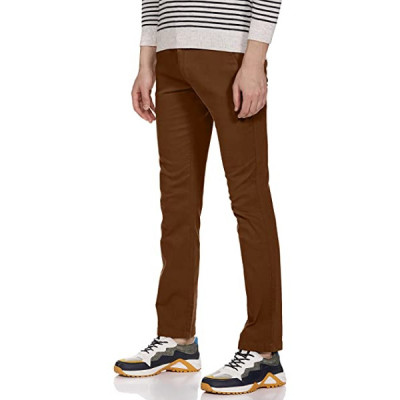
Men's Slim Casual Trouser
Rs.800.00
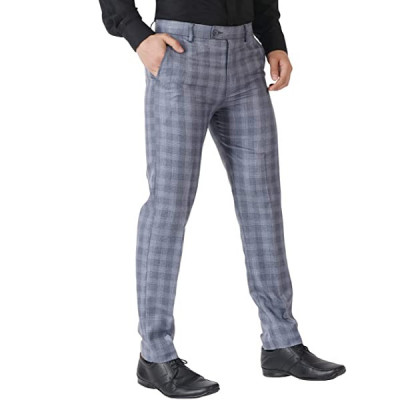
Men's Slim Fit Checkered Trouser
Rs.499.00
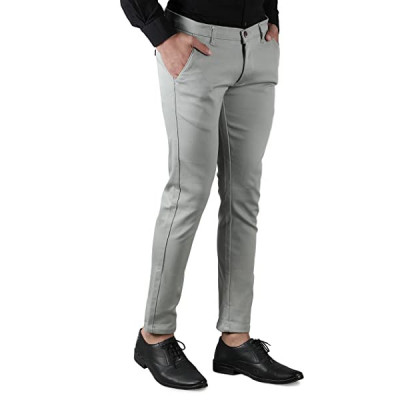
Textured Stretchable Trousers for Men
Rs.899.00
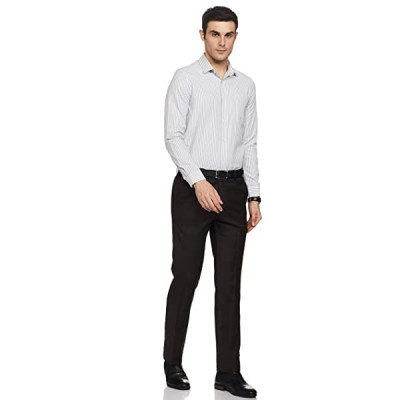
Men's Regular Pants
Rs.2,344.00