
 English



 Women
Women
 Bottom Wear
 Western Wear
 Maternity Wear
 Women's Inners
 Men's
Men's
 Men Traditional Wear
 Men Western Wear
 Men Inners

Fitting Dresses
Fix the Fit Yourself: How to Rescue Poor-Fitting Dresses Without a Tailor
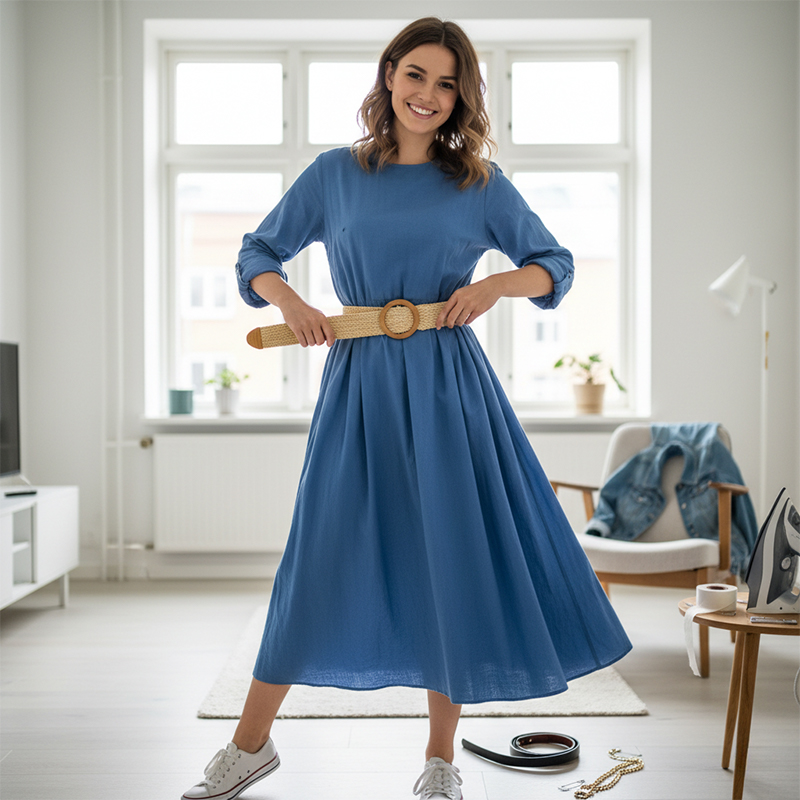
If your dress doesn’t fit, the default reaction is to blame sizing or look for a tailor. That’s not always necessary. Most fit issues in men’s and women’s dresses are predictable—and fixable—without professional help. You just need to understand where the problem actually is.
Start with the most common issue: loose fit. If a dress feels baggy, don’t accept it as “comfortable.” It usually just looks sloppy. The fastest fix is strategic cinching. For women’s dresses, a well-placed belt can redefine the waist instantly. But random belts won’t work—choose one that matches the dress structure. Thin belts for lightweight dresses, wider ones for structured pieces. For men’s outfits like shirts or dress sets, a simple tuck adjustment changes everything. A full tuck, half tuck, or no tuck at all can shift the silhouette from oversized to intentional.
Next problem: length imbalance. Too long, and the dress looks unstructured. Too short, and it feels awkward. You don’t need stitching to fix this. For women, rolling sleeves, knotting hemlines, or using hidden fabric tape can adjust proportions quickly. For men, sleeve rolling or slight trouser folding can clean up the look without damaging the garment. The goal is proportion control, not perfection.
Then there’s shoulder and structure issues. This is where most dresses fail—and where people make the mistake of doing nothing. If the shoulders don’t sit right, the entire outfit collapses visually. You can’t fully fix shoulder misalignment without tailoring, but you can reduce its impact. Layering is the workaround. Adding a structured jacket or overshirt creates a clean outer frame that hides poor inner fit. It’s not a perfect solution, but it’s effective.
Another frequent issue is excess fabric around the waist or back. Instead of ignoring it, use temporary adjustments. Safety pins—used correctly—are one of the most practical tools. Pin from the inside along seams to create a more tapered shape. Done properly, it’s invisible from the outside. Fabric tapes or clips can also tighten areas without permanent changes.
Now address fabric behavior. Some dresses don’t fit well because the material doesn’t hold shape. If the fabric is too stiff, it creates awkward lines. If it’s too soft, it collapses. You can influence this slightly with ironing or steaming. Structured pressing can create sharper lines in cotton or blended dresses, while controlled steaming can relax overly stiff areas. It’s not magic, but it improves how the dress sits on your body.
Footwear and layering also matter more than people think. The wrong shoes can exaggerate poor fit, while the right ones can balance proportions. For example, bulkier footwear can offset a slightly loose dress, making it look intentional rather than oversized.
Here’s the reality: not every dress is worth fixing. If the fit is completely off—especially in shoulders or core structure—no hack will fully save it. But most everyday fit problems are minor, and those you can handle yourself.
Stop assuming bad fit means wasted money. In most cases, it just means you haven’t adjusted it properly.
Trending Now
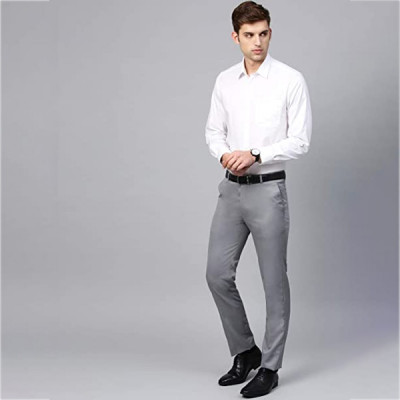
Men's Slim Fit Formal Trousers
Rs.707.00

Men's Slim Fit Formal Trousers/Pant
Rs.543.00
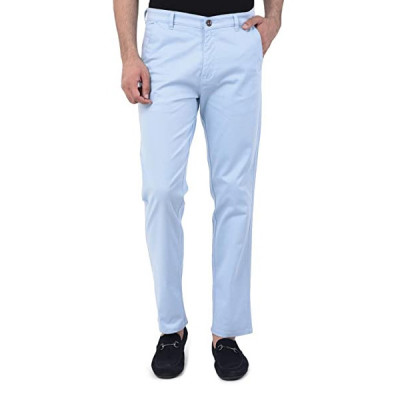
Men's Regular Fit Pants
Rs.544.00
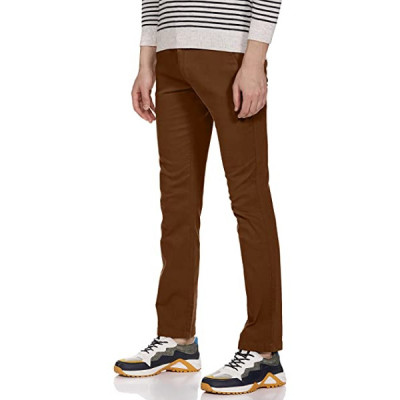
Men's Slim Casual Trouser
Rs.800.00
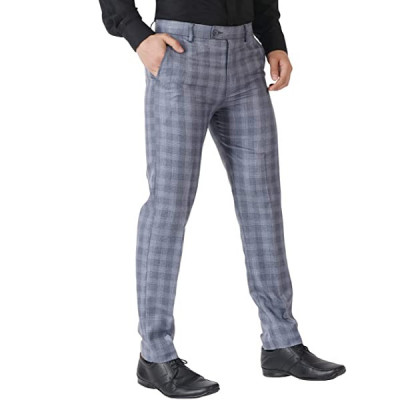
Men's Slim Fit Checkered Trouser
Rs.499.00
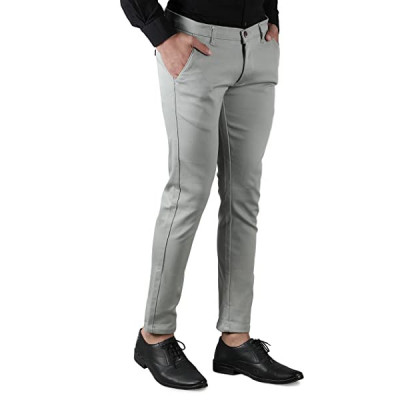
Textured Stretchable Trousers for Men
Rs.899.00
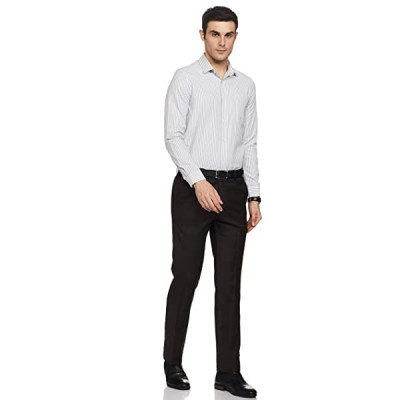
Men's Regular Pants
Rs.2,344.00